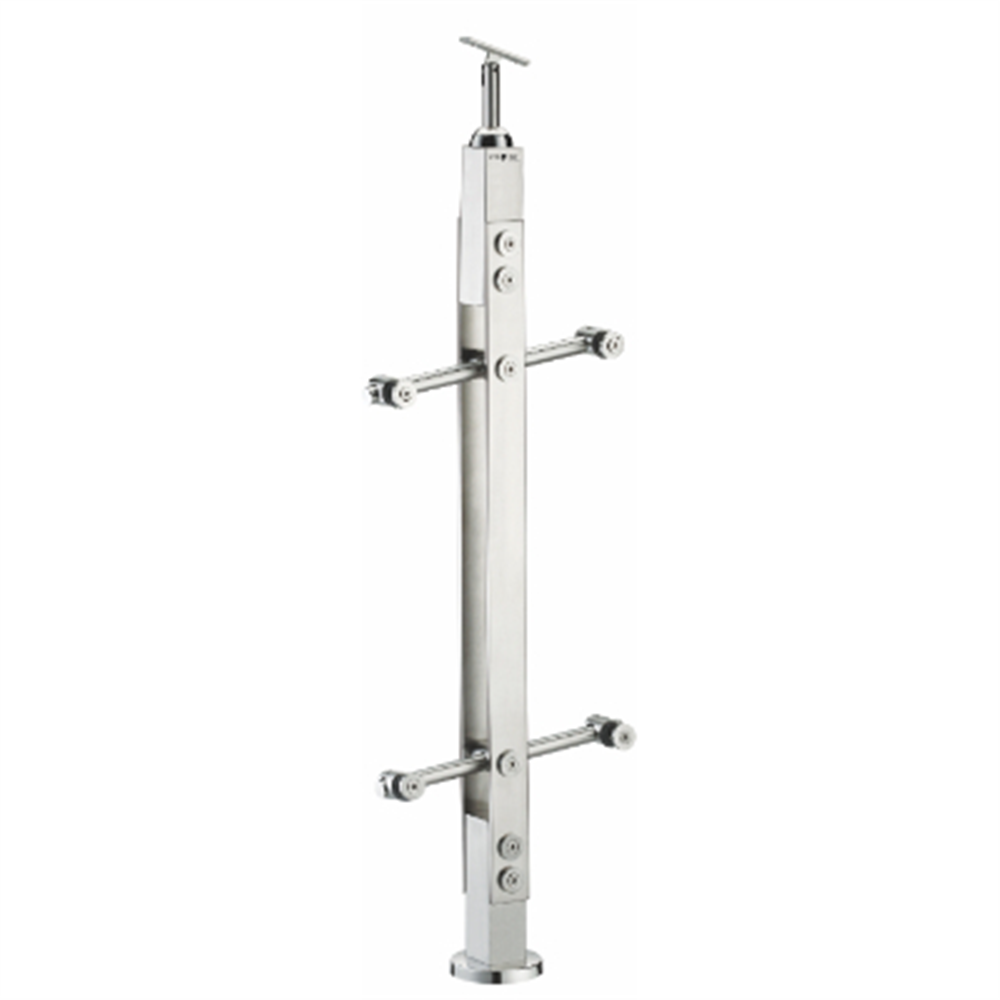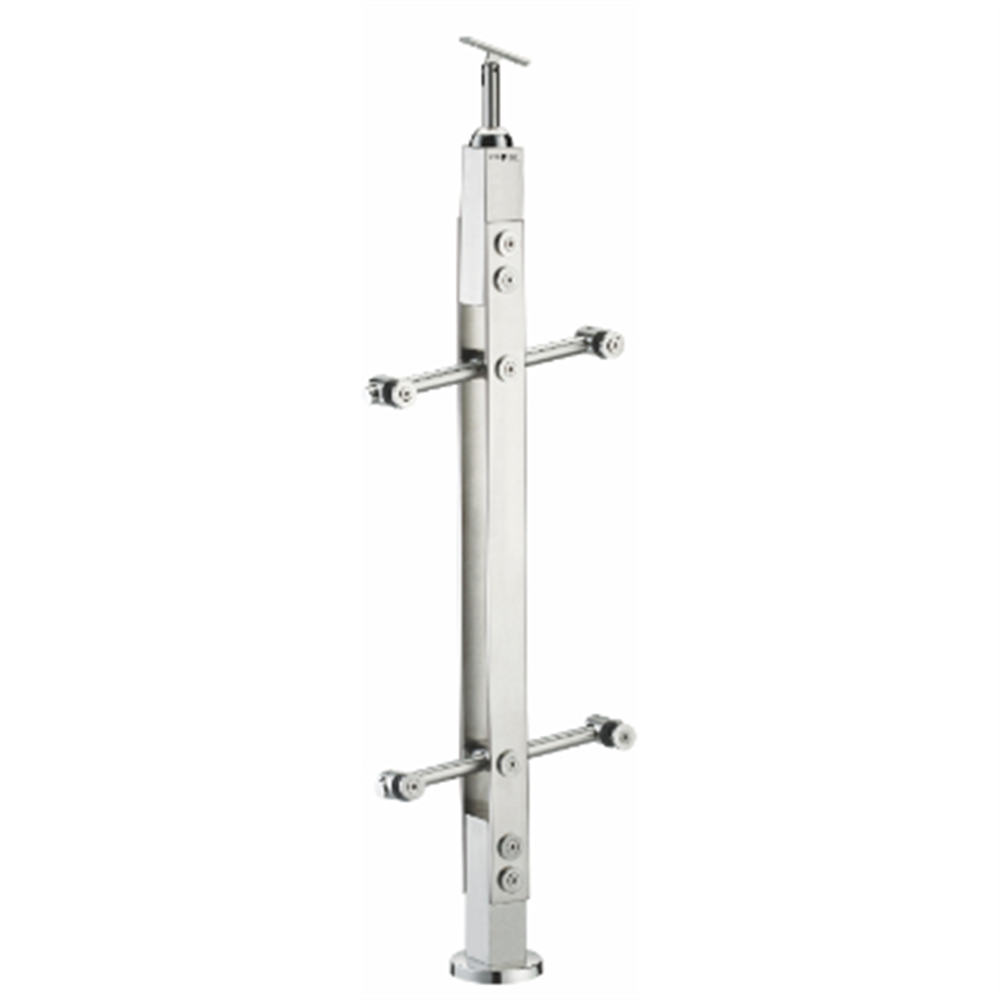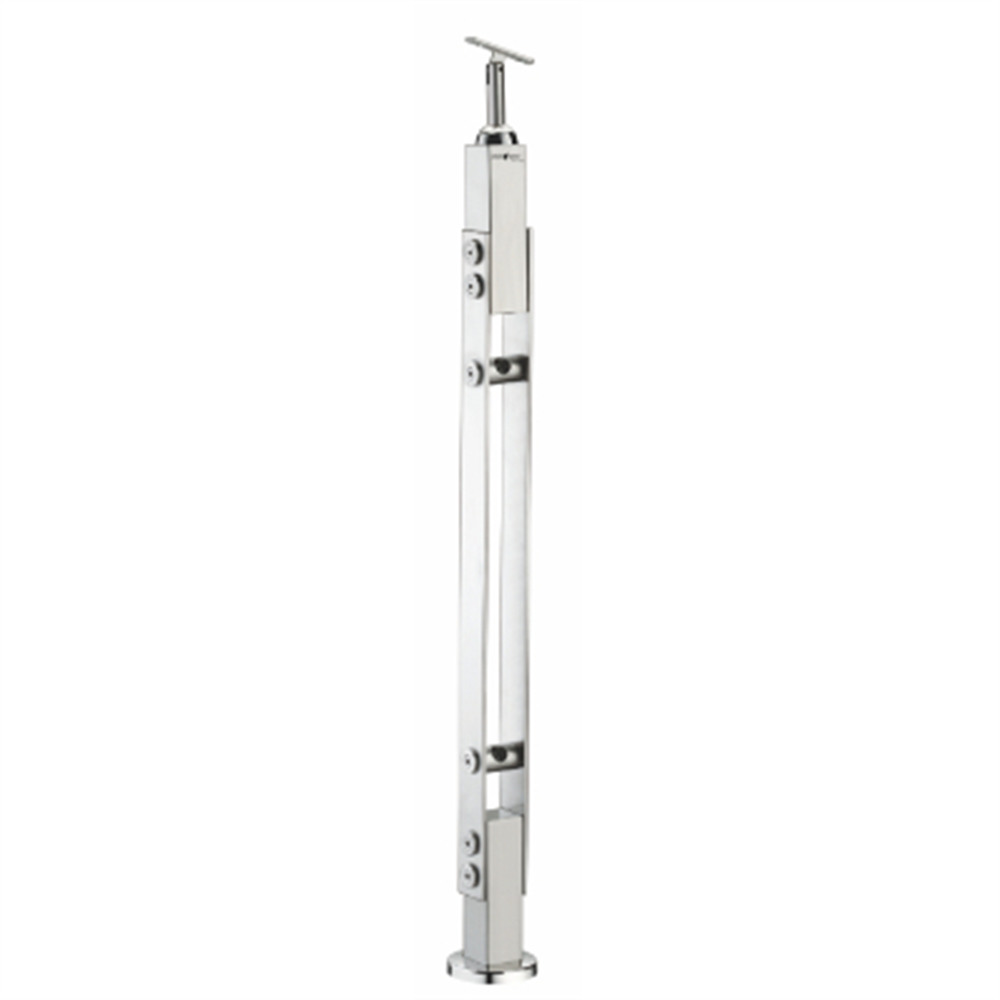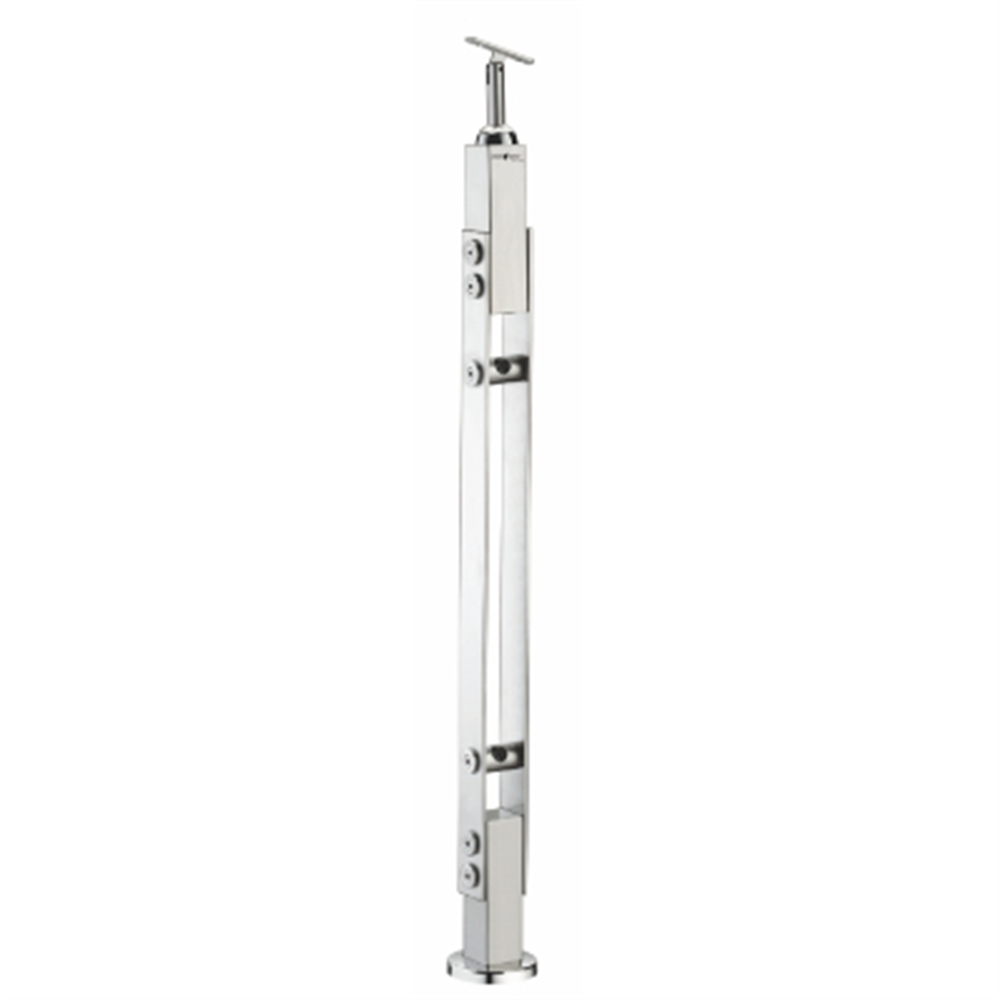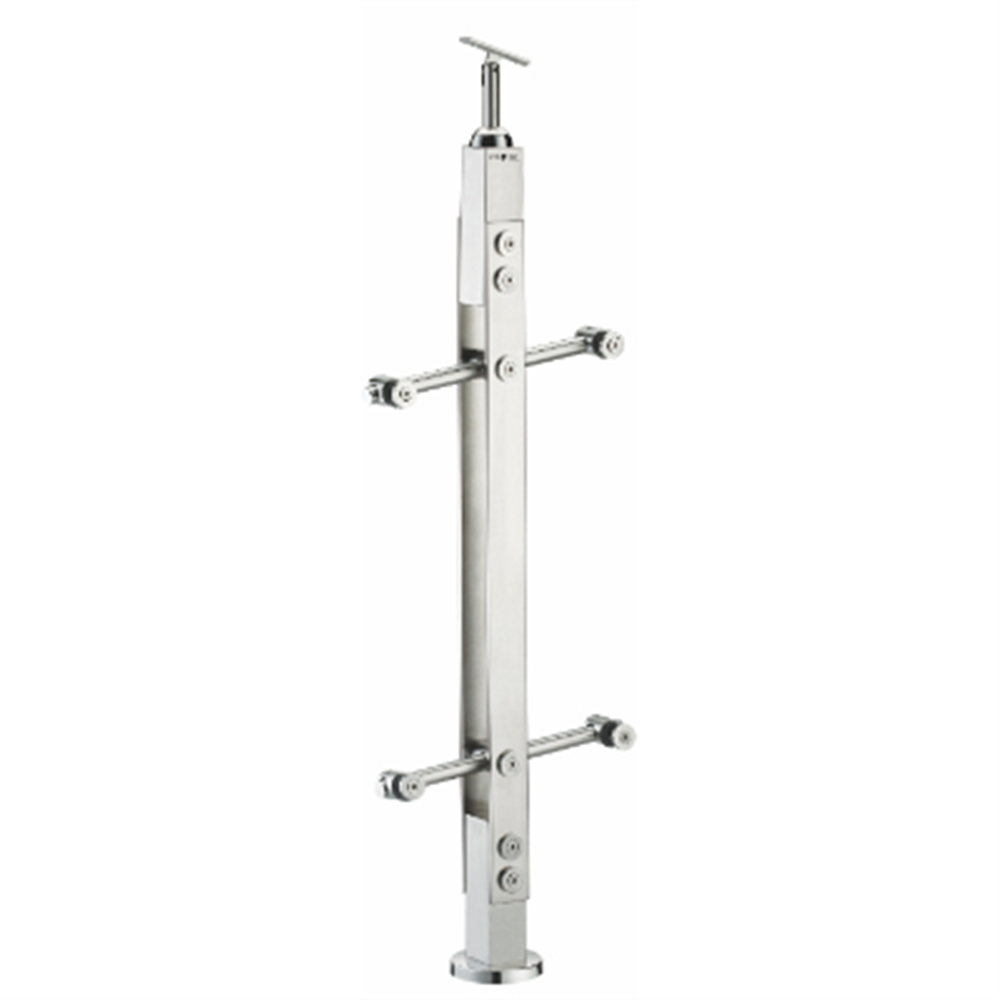
Stainless steel railing, or SS railing, is a robust, long-lasting, and fashionable railing option utilized for support and safety in commercial, industrial, and residential settings. It provides exceptional resistance to rust, corrosion, dampness, and daily wear because it is made of premium stainless steel. Stairwells, balconies, terraces, walkways, and building entrances frequently have SS railings installed. Both traditional and modern architectural designs can benefit from their long service life, low maintenance needs, and elegant appearance.
Uses of SS Railing:
Staircases: Provides safe support while ascending and descending stairs.
Balconies: Acts as a protective barrier and enhances the appearance of balconies.
Terraces: Provides safety around open terrace areas and edges.
Walkways & Corridors: Helps guide and support people in residential and commercial buildings.
Building Entrances: Used as a durable and attractive safety feature near entrances.
Residential Buildings: Commonly installed in homes, apartments, villas, and duplexes.
Commercial Buildings: Suitable for offices, shopping complexes, hotels, and showrooms.
Industrial Areas: Used around platforms, stairs, passages, and elevated work areas.
Public Places: Suitable for schools, hospitals, railway stations, and other public facilities.
Concept of SS Railing:
The idea of SS Railing (Stainless Steel Railing) is to create a single structural solution that combines utility, safety, durability, and contemporary esthetics. It is made to be both esthetically pleasing and hygienic while offering dependable support and preventing unintentional falls.
Stainless steel posts, handrails, and horizontal or vertical elements are typically used to create SS railings. Depending on the application, the system can be modified with various designs, sizes, finishes, and configurations. It is appropriate for both indoor and outdoor installations, including as staircases, balconies, terraces, walkways, commercial buildings, and public areas, because to its minimal maintenance requirements and resilience to corrosion.